Introduction: A Small Sign, A Big Shift
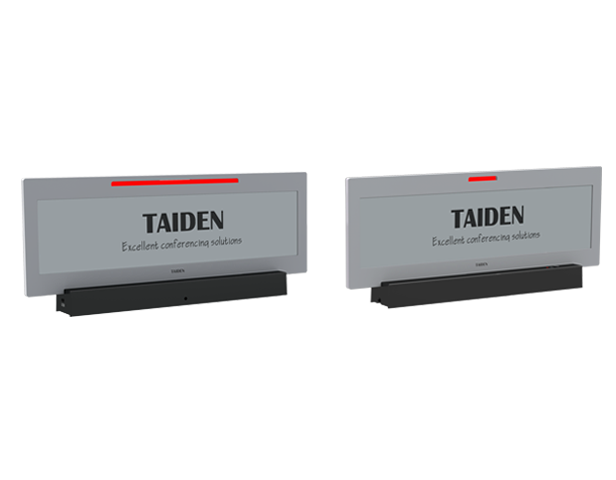
You walk into a city council room. Seats are mixed up, paper tents are curling at the edges, and the clock is already five minutes past start—again. A digital name plate seems tiny, but it changes the flow fast. Last month I sat in on a session that tried an electronic nameplate for conference, and the mood in the room felt different. People settled quicker. The chair didn’t shuffle cards. And the AV crew? Less panic. In many teams, logs show that setup creep eats 10–15 minutes per meeting; that is a week lost every quarter. So why do these little boards carry so much weight, and where do they still fail (because some do)? Here’s the quick story, the data that nudges us, and the question: how do we fix the “last yard” of identity and seating without adding new headaches? Let’s break it down and keep it real—then step into the next layer.
Part 2: The Hidden Frictions Paper Can’t Hide
What actually breaks in the room?
Let’s get technical for a second. Traditional paper tents look easy, but they stack up errors in quiet ways. Misspelled names lead to reprints. Role changes require shuffles. Late arrivals cause quick swaps that leave gaps. And the moderator has to scan the room like radar—time lost. With an electronic nameplate for conference, you can push real-time updates, but the trap is this: if the system rides on Wi‑Fi alone, network jitter creates update lag. That means stale titles on screen, which kills trust. Edge caching on small edge computing nodes helps, so names render even if the backbone drops for a minute. Battery math matters too. E‑ink displays sip power, but status LEDs, radios, and poor sleep cycles drain packs fast. Without efficient power converters, you charge more, worry more—funny how that works, right?
Now the human side. Operators want one button, not three dashboards. Look, it’s simpler than you think: a clean controller UI with role presets avoids last‑minute typos. But in many venues, RF noise from wireless mics clashes with BLE beacons. That causes pairing hiccups. If your firmware lacks robust channel hopping and a decent QoS policy, updates stall when the room is full—ironically when you need them most. And placement? If stands block sightlines or glare hits at noon, delegates lean and squint. That small comfort issue becomes fatigue. The fix is not just digital. It’s optics, angles, and materials. Even cable plans matter: Power over Ethernet (PoE) reduces clutter, but if you mix PoE and USB hubs, watch for ground loops and hum. Tiny stuff. Big effect.
Part 3: Moving Forward with Smarter Plates
What’s Next
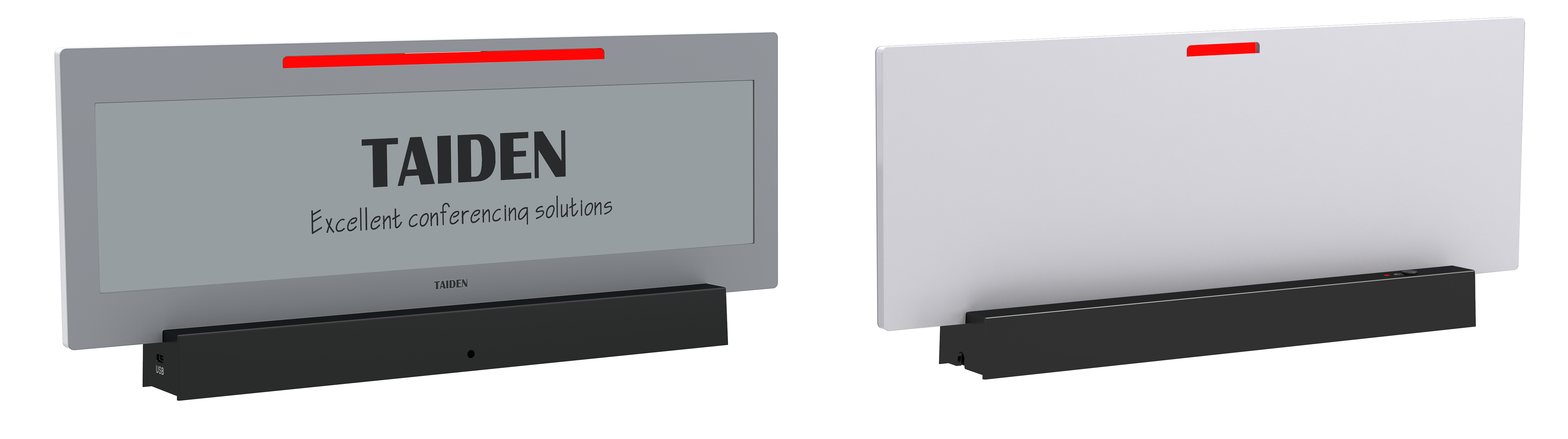
Here’s the comparative lens, looking ahead. Old paper solves identity but not change. Modern electronic nameplates solve change, and now they’re learning to solve context. New designs pair E‑ink panels with low‑energy radios, then offload logic to edge controllers. That means low latency on name swaps even if the cloud sneezes. A good mesh network with adaptive hopping cuts RF collisions. OTA (over‑the‑air) firmware updates keep features moving without bench work. And with PoE for dais units, you skip battery anxiety altogether. Security matters, too. Look for encrypted transport and signed configs, so no one pushes “Deputy Mayor” to the wrong plate. The lesson from earlier? The pain wasn’t the name. It was the pauses, the glare, the drops—so the new stack targets those exact points.
So, how should you choose—practically, not just on spec sheets? Aim for three metrics that you can actually measure: 1) Update latency under typical load (name change to on‑screen in under three seconds, even with traffic). 2) Power strategy fit (true battery life with radios on, or stable PoE with proper isolation and efficient power converters). 3) RF resilience and manageability (channel agility, interference handling near wireless mics, plus simple rollback for OTA). If your pilot nails these, you’ll see faster starts, fewer whispers to the tech desk, and less cognitive fatigue across the table—because the tech fades into the background, as it should. And yes, keep an eye on edge computing nodes for local fallbacks—when they work, you barely notice them — funny how that works, right? For steady, real‑world builds, I keep a short list of brands that meet these checks, including TAIDEN.