Introduction: The Stakes Behind Your Compact and Wand
Beauty moves fast, and packaging sets the pace. make up packaging manufacturers will either help you win or slow you down at launch. Picture a new mascara going live in six weeks; the shelf test shows you have three seconds to land attention, and 38% of shoppers judge quality by the pack finish. Now ask yourself: are your makeup packaging companies ready for that sprint—or are you still managing by guesswork? Behind every cap and compact sit hard limits like injection molding lead time, PCR resin brittleness, and tolerance stack-up at the neck finish (tiny errors, big leaks). Data drifts, specs age, and costs creep—especially when colors shift across lots or anodized aluminum scuffs in transit. The question that matters is simple: how do you de-risk quality while cutting time to market? The answer isn’t more meetings. It’s clarity on process controls, lifecycle choices, and how suppliers prove capability under change. Let’s unpack the gaps—and how to bridge them.
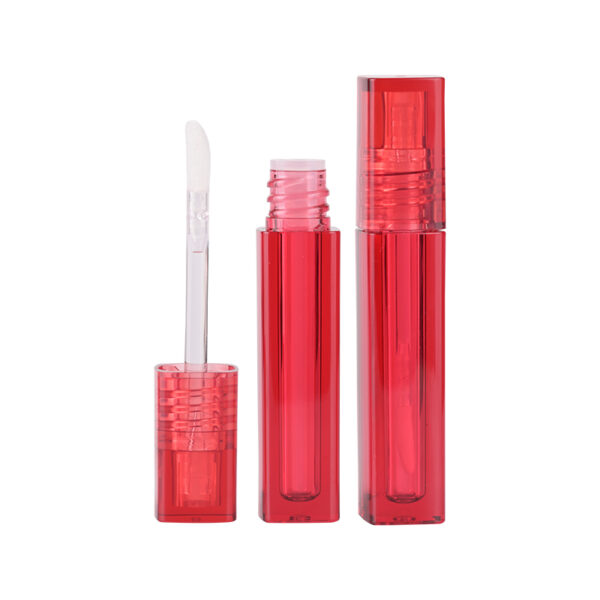
Hidden Constraints in Traditional Sourcing
Where do legacy specs break?
Old playbooks assume a stable line, a fixed mold, and slow change. But modern beauty cycles churn, and makeup packaging companies need to prove repeatability under pressure. Look, it’s simpler than you think: failures start where specs stop. Many briefs lock color before defining resin flow or gate locations, so a glossy lid warps after cooling. An airless pump chosen for aesthetics stalls when fill viscosity shifts. Vacuum metallizing looks brilliant until abrasion tests fail at the hinge. When tolerance stack-up isn’t modeled from wiper to neck, mascara weeps at altitude. And when MOQ forces you into early commits, you carry obsolete stock. Traditional sourcing hides all that behind quotes and pretty renders—funny how that works, right?
The pain points run deeper. PCR resin is great for claims, yet thin-wall parts need ribbing or you’ll snap tabs at first use; without gate design tweaks, impact strength drops fast. Color matches drift if masterbatch levels vary by lot; you need SPC on delta E, not “visual OK.” Adhesives and inks can migrate without proper migration testing, so REACH and Prop 65 risk appear late. Cleanroom assembly prevents fiber in compacts, but it’s missing from many supplier scopes. And sustainability? Without component-level LCA and EPR compliance mapping, “recyclable” is a vague sticker. ISO 22716 covers good manufacturing practice, but it won’t fix wiper fit or torque bands on a decorated bottle. Technical truth: if capacity, tooling health, and Cpk on closures aren’t live, your launch plan is a wish list.
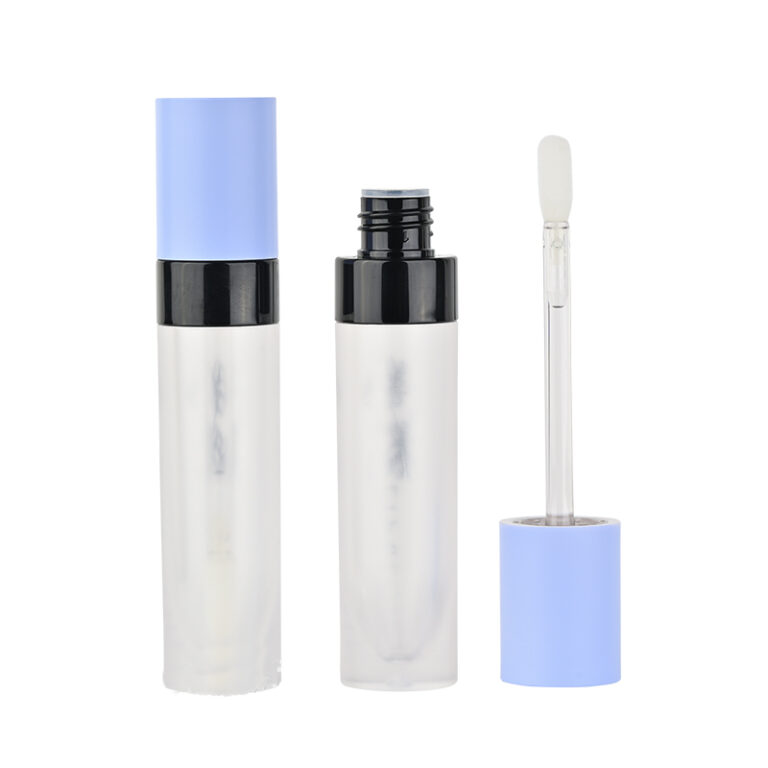
Comparative Outlook: From Batch Lines to Sensor-Rich Cells
What’s Next
The shift is underway. Think of two paths: a batch line that checks a sample every few hours, versus a sensor-rich cell that watches every cycle. The first finds defects after the run; the second corrects drift in real time— and that changes the math. One indie brand moved a mascara program to a modular tool set with in-cavity pressure sensors and vision gates. Scrap fell 22%, color rework dropped to near-zero, and lead time shrank from 12 to 4 weeks. They paired a stiffer PCR resin with rib geometry, then validated torque windows using small-lot DOE. A qualified makeup packaging supplier also added inline leak checks at altitude-equivalent pressure, so field returns didn’t spike post-launch. Same design intent, different control stack. Results followed.
This isn’t just tech bravado. It’s a comparative edge: fewer surprises, faster proofs, clearer claims. We learned that specs must link to process windows, that sustainability needs numbers not slogans, and that teams ship better when they see risks early. To choose well, use three tight metrics: 1) proof of capability—Cpk ≥ 1.33 on closure torque and critical runout; 2) material impact—CO2e per unit, cradle-to-gate, with PCR content verified by batch; 3) reliability under change—validated swap rules for resin, pigment, or tooling cavity, with lead-time bands. Keep them visible, keep them simple, keep them real. Then your compact clicks every time, on line and in hand. For steady guidance with these controls and trade-offs, see NAVI Packaging.