Introduction: When Every Second on the Floor Counts
Throughput does not rise by chance; it rises by design. A lifting robot now moves pallets, carts, and totes across busy floors. In a peak-shift scenario, teams that deploy robotic lifting devices often see two patterns: long queue times and short, sharp bursts of motion. In one 24/7 site, operators logged 18% of time lost to handoff delays and misalignment. That is not a small number. Add the stress of narrow aisles, mixed pallets, and changing dock heights; the stack-up is real—and costly (no surprise to maintenance crews). The data points to the same root: accuracy under load, not just speed on paper.
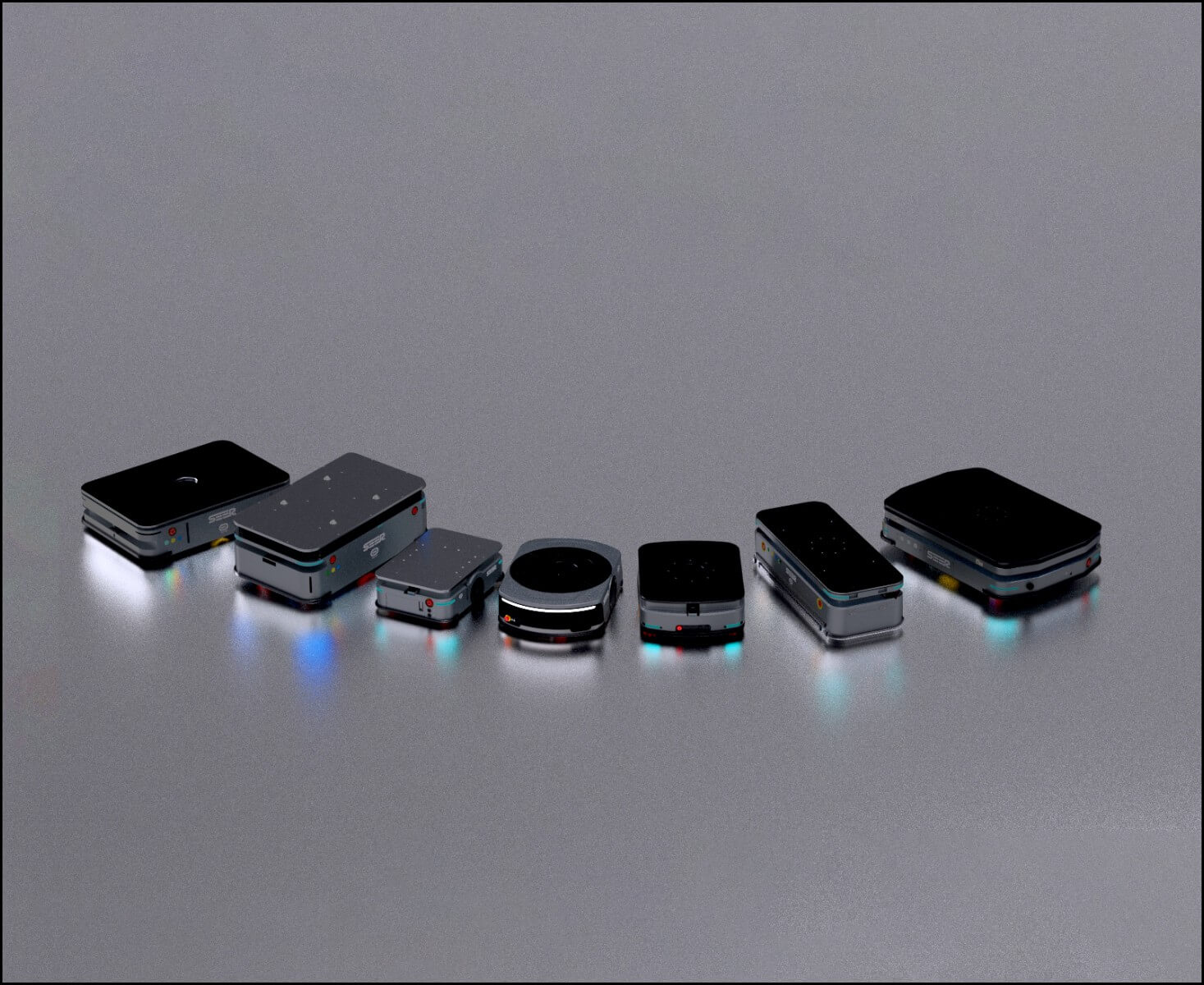
So the question is simple: how do we build in stability and uptime without overbuilding cost? Edge computing nodes can help plan queues. Torque sensors can protect forks from shock loads. Power converters smooth current and save battery life. But design is the lever, not a feature list. Let’s move from symptoms to systems—and set the stage for a deeper look.
Beyond the Surface: Why Traditional Lift Systems Stall Under Real Loads
Where do legacy lifts fall short?
The gaps start with control, not steel. Many older carts add a hoist to a base and hope for the best. By contrast, modern robotic lifting devices tune lift motion to the mass and the center of gravity. Traditional rigs run open-loop or coarse PID loops. They overshoot, then hunt. That causes pallet scrape, fork chatter, and time loss. IMU drift adds error when the floor slopes. The CAN bus floods under load peaks, so alarms lag. Duty cycle limits get ignored in rush hours. Overcurrent trips kick in at the worst time—mid lift—and the queue breaks. Look, it’s simpler than you think: if the controller cannot “feel” force, it cannot protect the move.
Alignment is the second gap. Legacy lifts assume perfect approach. Real floors say otherwise. Without fine-grain vision and force feedback, the truck nudges, re-centers, and tries again. Each nudge risks racking sway. Each retry extends the pick cycle by seconds. Under mixed loads, those seconds add up. The result is a “fast on paper, slow in practice” system. And yes, that gap is measurable: higher current ripple, more heat, shorter component life. The loop closes in the wrong way.
Comparative Principles That Change the Lift Game
What’s Next
The fix is not a bigger motor—it is better sensing and prediction. New control stacks blend force-torque sensing with model predictive control. They learn the payload on contact, adjust jerk limits, and keep the frame stable. Vision plus SLAM maps the slot, while edge computing nodes schedule who lifts what, and when. Regenerative power converters return energy on descent. The result: lower current ripple, cooler drives, longer life. Compare that to legacy open-loop rigs that react late and burn watts as heat—funny how that works, right?
Future-ready robotic lifting devices also rethink handoffs. Instead of “drive, stop, lift,” they run a fused plan: approach, micro-align, lift under a soft force envelope, then depart in one smooth profile. Safety PLCs enforce ISO 3691-4 zones while the motion layer keeps payload sway under a threshold in degrees. Fleet software balances duty cycle so no single unit overheats. The comparative picture is clear: fewer retries, lower Wh per pick, tighter placement in millimeters. Different hardware helps, yes, but the principle is control fidelity under uncertainty—and that is where new stacks win.

How to Choose with Confidence
Aim for three checks. First, verify mixed-load uptime: MTBF and lift success rate with skewed pallets at 2° floor slope, recorded over a full duty cycle. Second, measure energy per lift: watt-hours per kilogram-meter, with logs from the power converters in both rise and regenerative descent. Third, confirm placement accuracy: lateral and vertical error in millimeters at typical rack slots, under staged vibration. If the numbers hold in your mock aisle, you will feel it in throughput by week two—funny how data becomes relief on the floor. Keep your test simple, repeatable, and honest. That is how teams avoid surprises and lock in gains with SEER Robotics.