The planet of the Apes franchise has enthralled audiences for decades with its thought-provoking themes, some unforgettable characters, and stunning visuals. From its 1968 original film to the more recent reboots, the series continues to grow into a cinematic phenomenon that explores complex issues like social pecking order, human nature, and the consequences of environmental break down. Whether you’re a long-time fan or new to the series, figuring out the best order to watch the planet of the Apes movies can enhance your viewing experience. This complete guide will help you navigate through the films and make the most from the Planet of the Apes workshop.
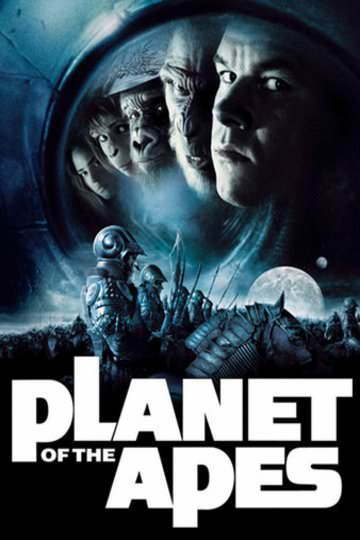
The Start of the Franchise
The planet of the Apes franchise began with the release of the original 1968 film, Planet of the Apes, based on Pierre Boulle’s 1963 novel of the same name. Directed by Franklin J. Schaffner and starring Charlton Heston, the film introduced audiences to a dystopian world where intelligent ดูหนัง พิภพวานร apes rule over humans. The film’s surprise twist ending became iconic and set the tone for the philosophical and action-packed narratives that would follow.
Over the years, the franchise expanded through sequels, a TV series, animated shows, and a modern computer starting in 2011. The continuity of the Planet of the Apes films can be complex, with some entries emerge the same universe among others acting as reboots or alternate timelines. To maximize your enjoyment and understanding of the story, it’s important to watch the films in the correct order.
The two Primary Viewing Orders: Chronological compared to. Release Order
There are two main ways to approach watching the planet of the Apes movies: chronologically or by their release date. Each order is designed with a different viewing experience, and both have their advantages depending on what you’re hoping to get out of the franchise.
Chronological Order: Watching the Films in the Timeline of the Story
Watching the films in chronological order follows the timeline of events within the Planet of the Apes universe. This process allows you to experience the further advancement of the story, from the rise of the apes to the eventual downfall of humankind, without the need for complex time jumps. Here’s the order to watch the films chronologically:
Rise of the Planet of the Apes (2011)
The modern computer of the series begins with Rise of the Planet of the Apes. This film serves as a prequel to the original 1968 movie, showing how apes began to gain learning ability and eventually cool dude against humans. The movie centers on Caesar, a chimpanzee raised by scientist Will Rodman (played by James Franco), who becomes the first choice of the ape uprising. It’s a clentching origin story that brings out the key themes of the franchise.
Daybreak of the Planet of the Apes (2014)
The second film in the rebooted series, Daybreak of the Planet of the Apes, picks up 10 years after the events of Rise. Caesar has generated an established ape society in the nature outside S . f ., but several grouped humans, still struggling to survive after having a devastating virus outbreak, threatens the peace. The stress between the apes and humans escalates, setting the stage for the larger conflicts in the franchise.
War for the Planet of the Apes (2017)
War for the Planet of the Apes continues the story of Caesar’s authority and the final struggle between humans and apes. With war beingshown to people there, Caesar is forced to face the harshness of human forces and make sacrifices to ensure the tactical of his kind. This film is the emotional and action-packed conclusion to the modern trilogy.
Planet of the Apes (1968)
Now, we get back to the 1968 classic Planet of the Apes. Emerge a post-apocalyptic future, the film follows astronaut George Taylor (Charlton Heston) as he crash-lands on a planet led by intelligent apes. As Taylor unravels the truth behind the world he’s found, audiences are treated to one of the most iconic plot twists in film history. Watching this film after the computer trilogy enhances the emotional impact of the ending.
Beneath the Planet of the Apes (1970)
In the direct sequel to the 1968 film, Beneath the Planet of the Apes picks up where the first film left off. Taylor’s search for answers leads to several grouped humans living underground, who worship a dangerous nuclear bomb. The apes’ hold on the planet is challenged, leading to another thought-provoking conclusion.
Escape from the Planet of the Apes (1971)
In this third film, apes from the future (Cornelius and Zira) travel back in time to 1970s Earth after the break down of their planet. The film explores themes of time travel, human fear of the unknown, and the cyclical nature of history. It’s an interesting shift in tone and style when compared to the previous films, offering a unique perspective on the apes’ advancement.
Conquest of the Planet of the Apes (1972)
Conquest of the Planet of the Apes follows Caesar as he grows up and leads a rebellion against humans, who have enslaved apes as servants. The film dives deeper into the political and social characteristics that led to the rise of the apes. It’s a pivotal moment in the franchise’s timeline, marking a major turning point for both the apes and humankind.
Battle for the Planet of the Apes (1973)
The final film in the original series, Battle for the Planet of the Apes, develops after Caesar’s successful uprising. Now in power, Caesar must take on conflicts between different ape factions and try to make a peaceful society. The film explores the consequences of innovation and the struggles to create a new world.
Release Order: Watching the Films in order of Release Date
If you’d like to experience the Planet of the Apes films as audiences did in theaters, you can follow the release order. This viewing order takes you on a journey through the history of the franchise, from the original 1968 film to the more recent reboots.
Why Chronological Order is Recommended for First-Time Viewers
For those new to the franchise, watching the films in chronological order offers a clearer plot and allows you to follow the advancement of the apes more closely. The rebooted trilogy is designed with a fresh starting point, assisting you to understand the motivations behind Caesar’s actions before diving into the older films. By the time you reach the original 1968 movie, you’ll have a deeper appreciation for the apes’ journey and the moral complexities explored in the series.
Conclusion: Choose Your Order and luxuriate in the Ride
The planet of the Apes franchise is a timeless search of humankind, society, and the dangers of unchecked power. Whether you may watch the films in chronological or release order, each viewing option offers a unique experience that adds layers of difficulty to the overarching plot. From the iconic 1968 film to the modern reboots, Planet of the Apes remains a must-watch for any film lover. So, choose your viewing order, prepare for the unexpected, and immerse yourself in one of cinema’s most thought-provoking franchises.