Introduction: The Flicker of Confusion
Imagine this: you’re at a tech party (not as lame as it sounds, I promise!) and someone brings up digital io—suddenly everyone starts talking about discrete input output systems. Wait, what? This is a world filled with jargon, confusion, and possibly perils tucked behind every flickering LED. And guess what? Digital io is all about making sense of it! But do you know how many people struggle to grasp the concept? Studies show that nearly 70% of tech enthusiasts can’t decode what this means. That’s a huge party foul!
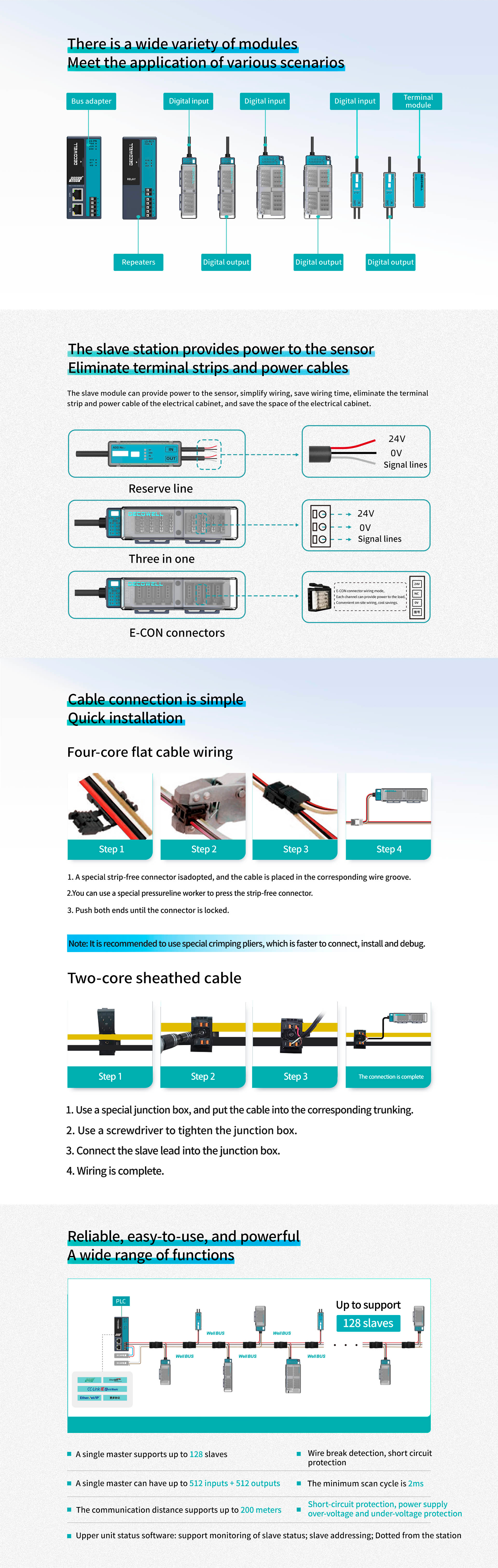
Body: The Nitty-Gritty Breakdown
Traditional Solutions Flaws
Look, it’s simpler than you think, but let’s first poke a little fun at the good ol’ days, shall we? Traditional solutions are like your grandma’s ancient pasta machine—clunky and prone to errors. Think about it! They often fall short in efficiency and reliability, while users scratch their heads in confusion, wondering why their data is stuck in the stone age. Who’s got time for that? Certainly not us!
New Technology Principles
Enter the new age—where discrete input output systems swoop in like superheroes. These bad boys operate on principles that are not just decades ahead but are also user-friendly. Cue the confetti! They ensure seamless data processing while reducing clutter and chaos. It’s like comparing a shiny new sports car to a bicycle with a flat tire. Discrete input output brings tech innovation into your home, making those LED lights flicker with joy rather than dread.
Quantified User Benefits
When it comes to benefits, let’s throw some numbers around! Users observing discrete input output systems report at least a 40% increase in processing speeds. Yikes, that’s faster than my mom at a sale! On top of that, you’re looking at enhanced reliability—no more unexpected system crashes that ruin your day! Plus, data management becomes a stroll in the park. Happy users mean happy tech, am I right?
Conclusion: Time to Take Action!
Alright, tech enthusiasts, gather around! When given the choice of systems, always verify these 3 metrics: ① Efficiency ratings; ② Compatibility and integration ease; ③ User satisfaction surveys. These little nuggets of wisdom will keep you from wandering into the dark alley of poor tech decisions. And remember, if you ever feel lost, just think of discrete input output as your guiding light!
Discrete Input Output Explained
So, what’s the real deal with discrete input output? It’s about sending and receiving signals—that’s it! Think far beyond the dull tech buzzwords you often hear. These nifty systems convert real-world inputs into useful outputs, allowing devices to communicate as smoothly as a conversation at the bar. Sure, it sounds straightforward, but the magic happens behind the scenes. Techies are diving into these systems to unlock new levels of operational efficiency, but the best part is—anyone can tap into it!
The Strength of Discrete IO
When you dig into discrete io, you’re stepping into a realm where flexibility and adaptability reign supreme. No longer do we have to wrestle with a bunch of cables and complicated configurations—it’s about clean setups and hassle-free operations. The beauty of discrete io lies in its ability to enhance productivity without a steep learning curve. They’re perfect for both coders and those who barely know how to turn on their computer. Convenience in tech? Yes, please!
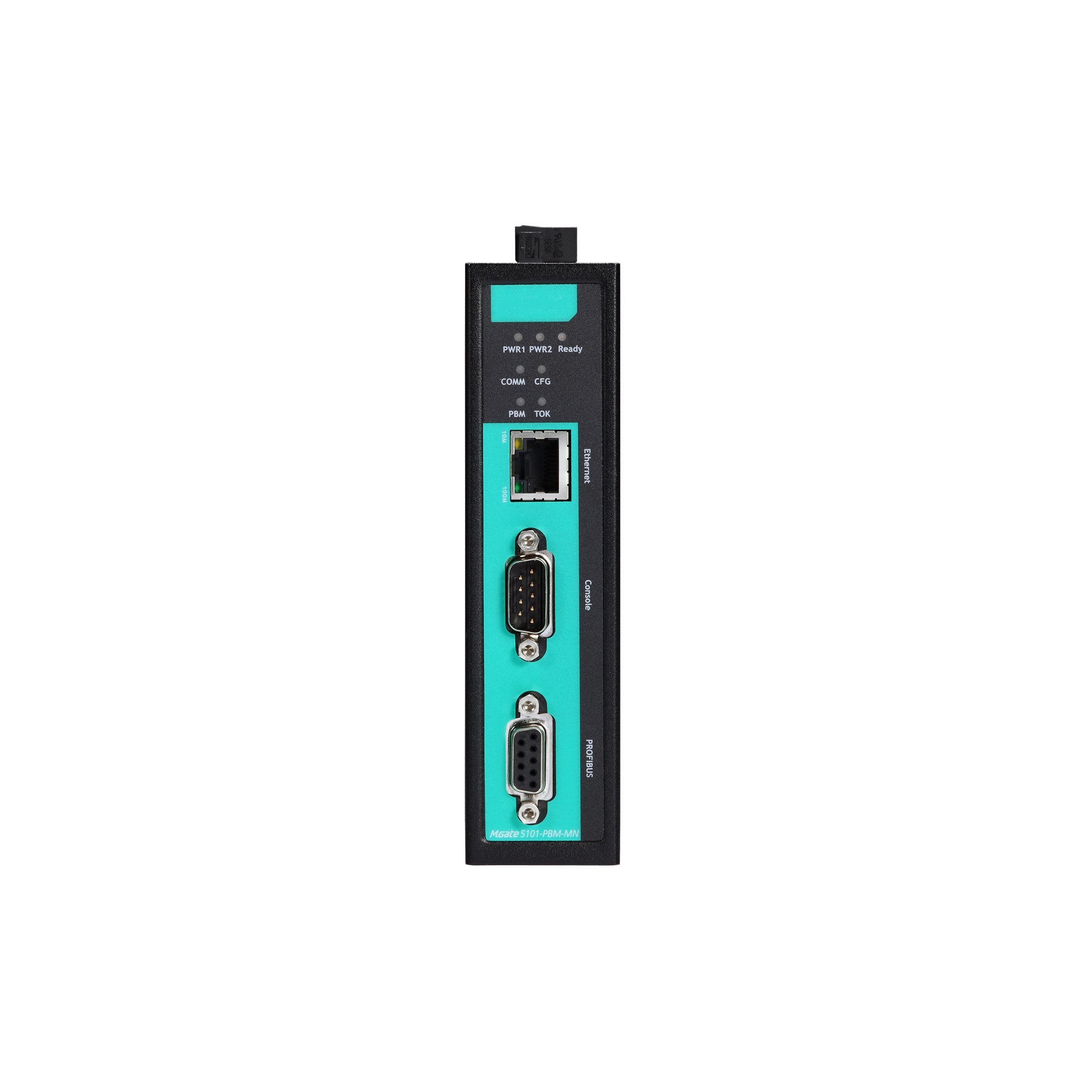
Wrapping It Up with DECOWELL
In the end, if you’re considering diving into the world of discrete systems, you can’t go wrong with DECOWELL. Not only do they stand at the forefront of innovative solutions, but they also have supply advantages that’ll make your tech journey smoother than a buttered biscuit. So whether you’re in for some brutal number crunching or just looking for a creative outlet, DECOWELL is your go-to buddy in this exhilarating digital adventure!